

Ricerca

Empires, Environments, Objects

Max-Planck Partner Group 2022-2027

Pontificia Universidad Católica del Perú, Lima – Kunsthistorisches Institut in Florenz
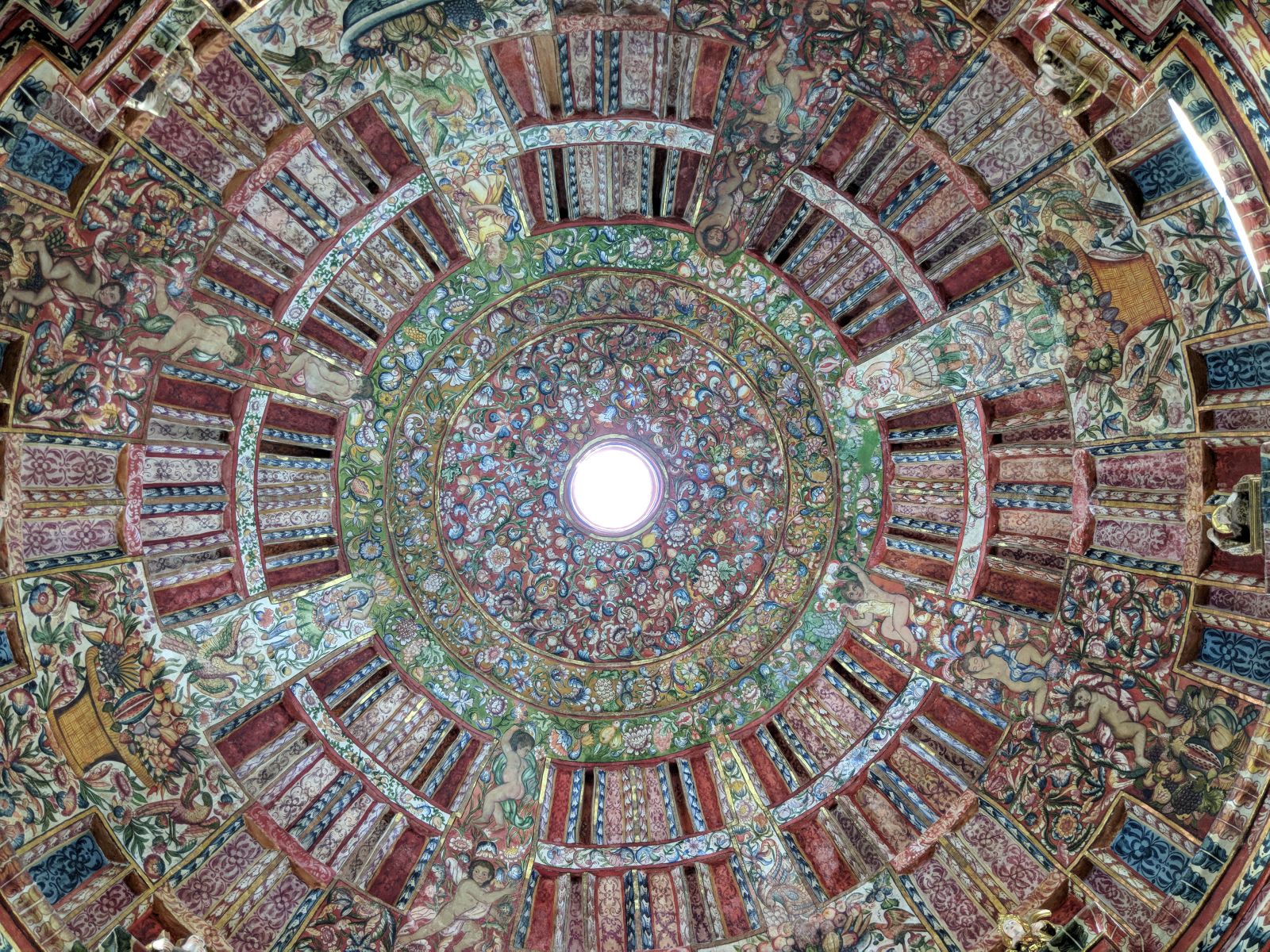
Dome of the Chapel of Saint Ignatius of Loyola, Jesuit Church of La Compañía, Arequipa, Peru

The aim of this project is to explore the web of connections and conflicts among the visual and material cultures and its transformative power in diverse communities of people across the global territories under Spanish and Portuguese rule, with a particular focus on early modern Latin America and the Pacific Rim. The main actors of this research will be the Empire, in its political declinations and infrastructures; the Environment, in its diverse stable or mobile forms; and the Object, be it artistic, artisanal, or natural. As a group, thus, we not only seek to tell stories and travels of specific objects but also to reveal the entangled reasons that generated their dislocations, as well as how objects were transported; the ways in which they were transformed, manipulated, and packed throughout their displacements; the different meanings that they acquired; their impact on local visual and material cultures; and, finally, how objects might have transformed - or been transformed by - the environments in which they lived their peripatetic lives.


Fernando Loffredo | Principal Investigator

fernando.loffredo@stonybrook.edu

Fernando Loffredo is Assistant Professor of Early Modern Mediterranean and Colonial Visual Culture in the Department of Hispanic Languages and Literature at the State University of New York at Stony Brook and Visiting Professor at the Pontificia Universidad Católica del Perú, Lima. His primary research interests are trans-Mediterranean artistic relations, sculpture and the urban space, and the dialogues between art and poetry in the early modern world, with a particular focus on the territories under Spanish rule across the globe. He was the Andrew W. Mellon Post-Doctoral Fellow 2015-2017 at CASVA (National Gallery of Art, Washington DC), and Harvard’s I Tatti/Museo Nacional del Prado Inaugural Fellow 2020-2021. Within the network of the Max-Planck Institutes, Professor Loffredo was the recipient of postdoctoral fellowships granted by the Kunsthistorisches Institut in Florenz and the Bibliotheca Hertziana.
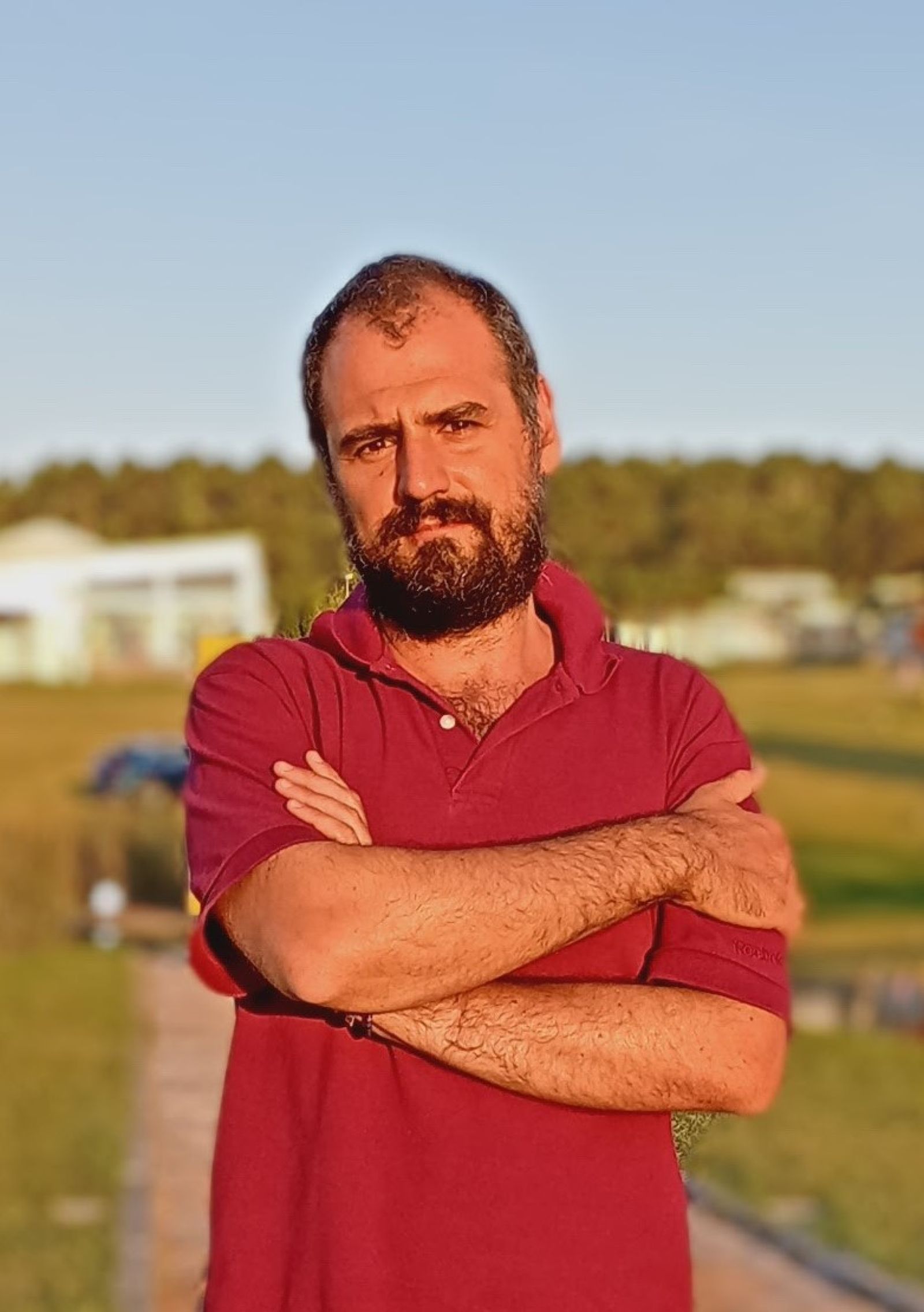


Cécile Michaud | Affiliated Faculty and Coordinator at the PUCP

cmichaud@pucp.edu.pe

Cécile Michaud is Associate Professor and Director of the MA in History of Art and Curatorial Studies at the Pontificia Universidad Católica del Perú, Lima. Her research interests focus on the material and visual culture of the Viceroyalty of Peru between the 16th and 18th century, the correlation between text and image, and the relationship between religious literature (such as sermons, sacred poetry, and hagiography) and the work of art. She earned a PhD from the Université de Strasbourg (2003) with a dissertation subsequently published under the title Johann Heinrich Schönfeld. Un peintre allemand du XVII siècle en Italie (Munich: Martin Meidenbauer Verlag, 2006).  She is co-author or co-editor of the following books; De Amberes al Cusco: El grabado europeo como fuente del arte virreinal. Colección Barbosa Stern (Lima: Impulso Editorial, 2009); Escritura e imagen en Hispanoamérica. De la crónica ilustrada al cómic (Lima: Fondo Editorial PUCP, 2015); Arte antes de la historia. Para una historia del arte andino antiguo (Lima, Fondo Editorial PUCP, 2020). Professor Michaud was the recipient of a DAAD doctoral fellowship (1999-2000, Ruprecht-Karls-Universität) and KAAD Postdoctoral Fellowship (Kunsthistorisches Institut, Ruprecht-Karls-Universität, 2017).
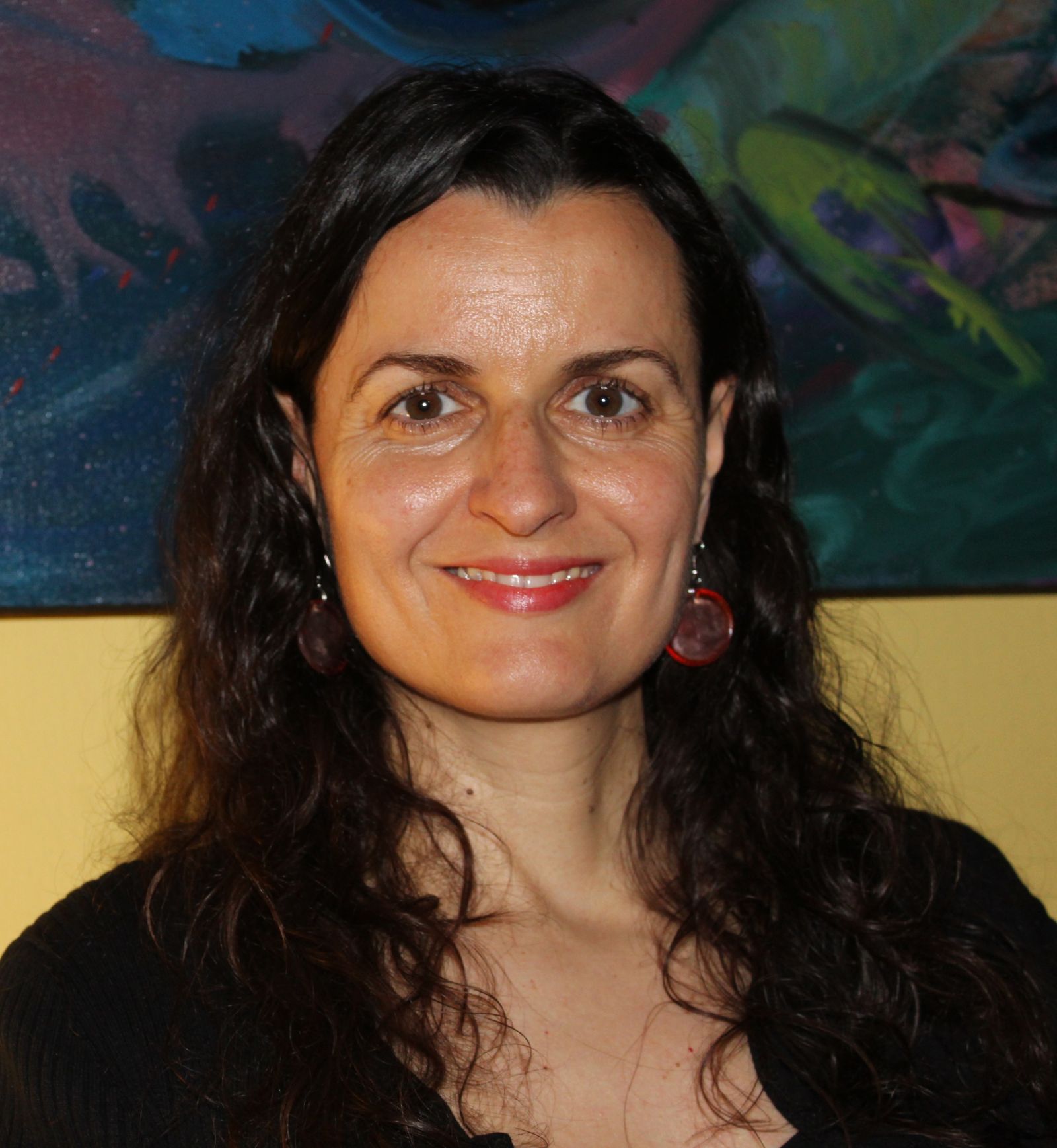
 

Lucía Querejazu Escobari | Affiliated Faculty, PUCP

lquerejazu@pucp.edu.pe

Lucía Querejazu Escobari is assistant professor in the History Department at the Pontificia Universidad Católica del Perú, Lima. She is Bolivian historian specializing in colonial Andean painting, particularly its significance within Andean space and spirituality. She completed her Ph.D. in History at the University of Buenos Aires in 2021 with the dissertation titled El programa iconográfico de Caquiaviri como una herramienta contra las idolatrías 1650-1750. Prior to her current position, she was curator (2019-2020) and later director (2020-2021) of the National Museum of Art in La Paz, Bolivia, and she has a postdoctoral position within the ERC-funded project Global Economies of Salvation: Art and the Negotiation of Sanctity at the University of Zurich, Switzerland. She has authored several works, including an essay in The Art of Painting in Colonial Bolivia (2017), and was the editor of the exhibition catalogue Dios y la Máquina: Serialidad y singularidad en la pintura andina colonial (2020).


Andrea Giuliana Tejada Farfán | Affiliated Research Assistant and Doctoral Student, PUCP

andrea.tejada@pucp.edu.pe  

Andrea Giuliana Tejada Farfán earned an MA in History of Art and Curatorial Studies at the PUCP and is currently a PhD student in History at the same university. Her reserach focuses on Viceregal Art in Peru, with a particular interest in the Jesuit Italian painter Bernardo Bitti and his workshop in the context of Andean visual culture. She was an international student at the Universidad Cattolica del Sacro Cuore, Milan, and she got grants Fundación Carl y Marilynn Thoma and the PUCP. She also teaches at the Facultad de Educación y Humanidades at the Universidad Católica Sedes Sapientiae, Lima.
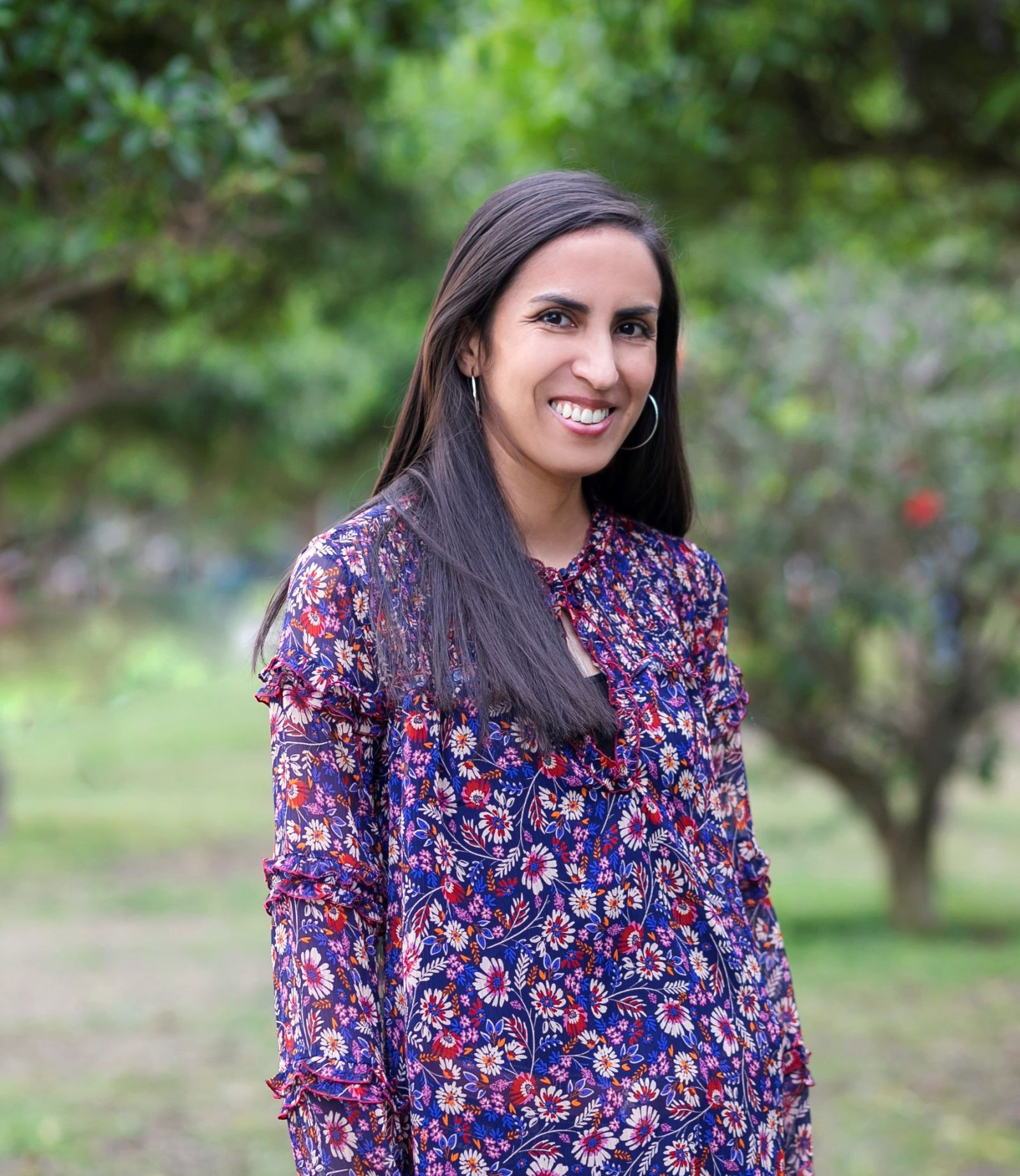
 

José Luis Gonzales Navarro | Affiliated Assistant to the Principal Investigator and MA Student, PUCP

jgonzalesn@pucp.edu.pe

José Luis Gonzales Navarro is a student of the MA in History of Art and Curatorial Studies at the PUCP. His research interests revolve around the Viceroyalty of Peru, Church History, and the Society of Jesus. He is the recipient of a fellowship of the KAAD-PUCP Program and received research awards, such as the II Concurso para Jóvenes Investigadores. Mesas de Osma II. Conferencias Magistrales sobre Arte Colonial (2019). He is an historian expert in paleography and participated in editorial projects such as Colección Arte y Tesoros del Perú (Banco de Crédito del Perú) in collaboration with Ramón Mujica Pinilla and Luis Eduardo Wuffarden. Among his publications, the book Nuestra Señora de la O: Congregación de Seglares en San Pedro de Lima (Lima, 2018), articles and book chapters about colonial art and heritage.


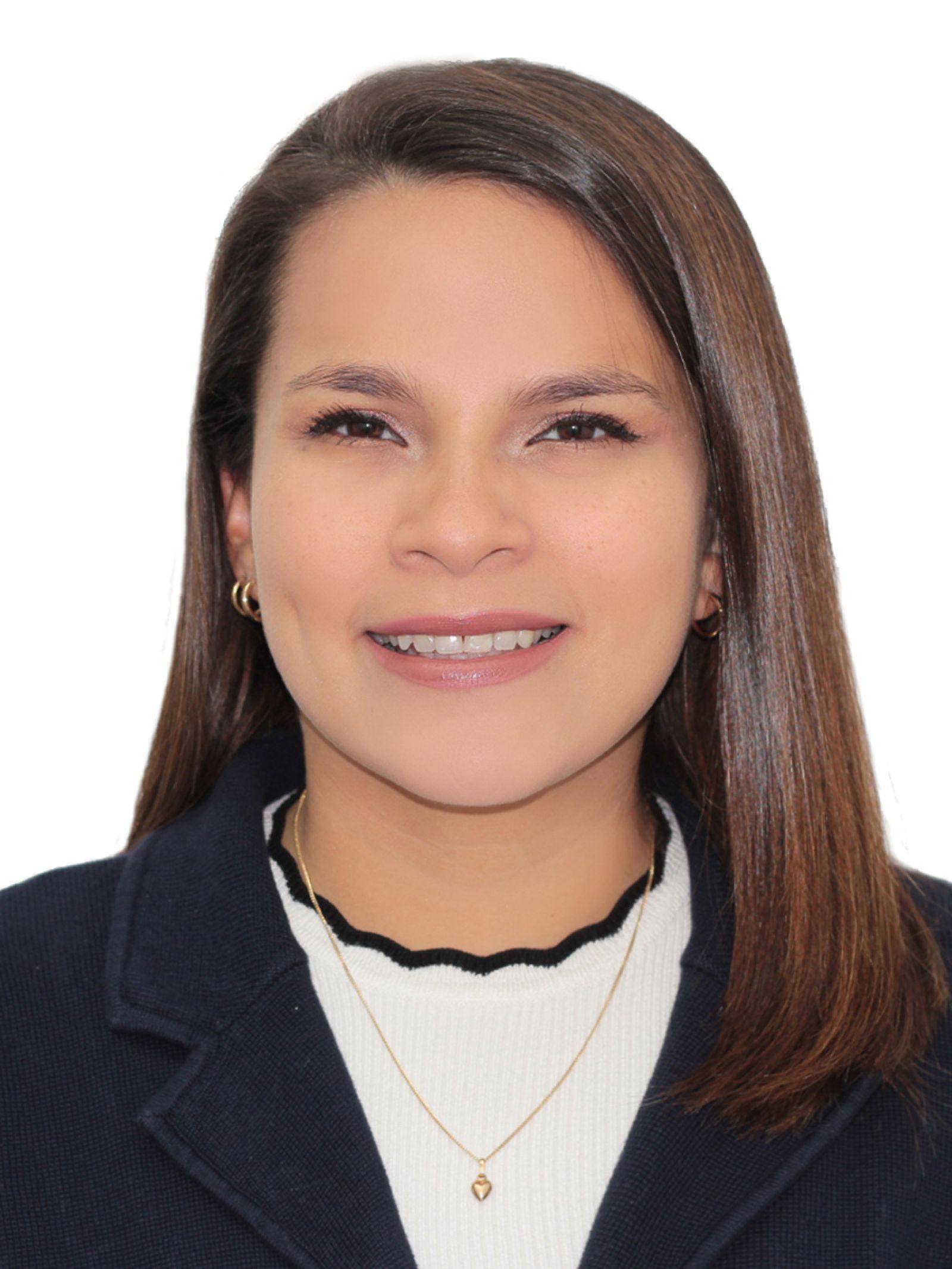
Patricia Carolina Mendoza Mori | Affiliated Administrative Assistant and MA Student, PUCP

patricia.mendozam@pucp.edu.pe

Patricia Carolina Mendoza Mori is a graduate student of the MA in History of Art and Curatorial Studies at the PUCP. She earned a degree in Philosophy at the Universidad Antonio Ruiz de Montoya (UARM), and she has an extensive experience as academic coordinator and administrative assistant at the PUCP. Her research interests are related to contemporary art, education, and gender studies. She is currently working on a MA thesis about the Peruvian artist and activist Claudia Coca, with a particular focus on themes of mestizaje, decolonial discourse, and feminism.


SUNY Stony Brook Affiliated Students 

José Gabriel Alegría | PhD Candidate

José Gabriel Alegría is an artist and art historian. He received his bachelor’s degree in fine arts at Pontificia Universidad Católica del Perú, Lima, where he subsequently did an MA in Art History. He is currently completing his doctoral dissertation under the supervision of Professor Fernando Loffredo at SUNY Stony Brook and is a predoctoral fellow of the Bibliotheca Hertziana, Rome. His main topic of study is the iconography of the three-faced Trinity, its diffusion and prohibition, seen from a transatlantic perspective. As such, his contexts of study cover a vast range: from colonial and viceregal paintings in the Andes to Renaissance printed sources, mainly of the 16th and 17th centuries. His interests also include the comparative study of religions and Sanskrit philology. José Gabriel also published several books as an artist and illustrator, and his visual work closely interacts with his research on Renaissance engraving traditions.


Samuel Espíndola Hernández | PhD Candidate

Samuel Espíndola Hernández is a writer and PhD candidate in Hispanic Studies at SUNY Stony Brook. He earned an MA in History of Art and Art Theory at the Universidad de Chile. His research focuses on intermedia relationships in Latin American contemporary art, literature, and cinema. His current project studies imaginaries of ashes and destruction in dialogue with human and non-human entanglements. He co-curated with Vania Montgomery the exhibition Censorship: Silence can be a plan in the Museo de la Memoria y de los Derechos Humanos, Santiago de Chile. Samuel participated in the seminar "Empires, Environments, Objects: Perspectives from the Peruvian Amazonia", organized by the Partner Group in collaboration with Chana Scientific Station for Language Sciences and Interculturality in Pucallpa, Peru.


Hugo Osorio Arana | BA Student

Hugo Osorio Arana is an undergraduate student majoring in Economics and Applied Mathematics, with a minor in Hispanic Languages and Literature at SUNY Stony Brook. His work adopts an interdisciplinary approach to the Latin American region, with particular interest in social, cultural, and economic issues. He is currently serving as a teaching assistant for the HUS 201 course “The Hispanic World Through Visual Cultures” at Stony Brook. Previously, he worked as a consultant at the Inter-American Development Bank in the Social Protection and Labor Markets Division, contributing to research on demographic aging and its implications for long-term care and dependency. He has led multiple workshops in analytical and statistical methods and is the founder and current president of the Undergraduate Economics Association.


David Parra | PhD Candidate

David Parra is a PhD Student in Colonial Visual Culture and Early Modern Art History in the Department of Hispanic Languages and Literature at SUNY Stony Brook. He earned an MA in Art History at the Universidad de los Andes, Bogotá, and a BA at the Universidad de Bogotá Jorge Tadeo Lozano. His doctoral research examines artistic practices and the social organization of painting workshops in the New Kingdom of Granada (present-day Colombia) during the 16th and 17th centuries. He studies the circulation and application of visual repertoires and techniques, with particular attention to the Andean region. Although these workshops followed European models, David’s research highlights the agency and technical expertise of local artists, whose contributions have been historically marginalized despite their documented presence in the production of colonial art. In 2024, he participated in the “Pisac Seminar” organized by the Max Planck Partner Group “Empires, Environments, Objects” with a paper on colonial painter Luis de Riaño in Andahuaylillas and he is a member of the research group “The Amazon Basin as a Connecting Borderland” funded by the Getty Foundation.


Quim Solias Huélamo | PhD Candidate

Quim Solias Huélamo is a PhD student in the Department of Hispanic Languages and Literature at SUNY Stony Brook, advised by Fernando Loffredo. Beginning in January 2026, he will join the Bibliotheca Hertziana - Max Planck Institute for Art History as a predoctoral fellow in the Department Michalsky. His research examines early modern cities across the Spanish Monarchy, focusing on the concept of the “model of the city” and the intersections between textual and visual representations. In 2024, he participated in the “Pisac Seminar” organized by the Max Planck Partner Group “Empires, Environments, Objects” in the Andes, where he delivered a paper on Inca Garcilaso’s description of the Huacaypata and the Plaza de Armas.


Affiliated Collaborators


Jose Gabriel Dávila Romero | PhD Candidate, Universidad Nacional de Colombia

jgdavilar@unal.edu.co

Jose Gabriel Dávila’s research focuses on issues of corporeality, semiotics, and material culture in the northwestern Amazon in dialogue with the Murui, Bora, and Okaina communities. He is a PhD candidate in the Amazonian Studies program at the Universidad Nacional de Colombia and holds a master's degree in Art History from the Universidad de los Andes, Bogotá. He is currently part of the research group “Amazonian Ethnology and Linguistics,” a member of the Society for the Anthropology of the Lowlands of South America (SALSA), and a fellow of “The Amazon Basin as Connecting Borderland” Group Project financed by the Getty Foundation. His current interest is documenting traditional Amazonian weaving as part of the formative processes of artifacts and people, technologies and landscapes. In this vein and in collaboration with the Partner Group he is producing a documentary titled “Zeɨ. El Tapaje” on the making of fish traps.

Partner

Pontificia Universidad Católica del Perú, Lima

Ulteriori informazioni

Conference

De reinos y naturalezas: Academic Activities, Buenos Aires and La Plata

The organizers put together two academic activities before and after the conference to explore in a collaborative way museums of the Buenos Aires area related to the theme of the meeting. On October 13, the group of speakers visited the Museo de Farmacobotánica de la Universidad de Buenos Aires, which preserves an important collection of specimens and documents, including papers by Alexander von Humboldt and Aimé Bonpland. On October 17, participants took a day trip to La Plata to explore the local museum, one of the richest collections of natural history of Latin America.

Conference

De reinos y naturalezas: ecologías, saberes y visiones del territorio, Buenos Aires

The Partner Group in collaboration with Programa Quillca, Centro de Investigación en Arte, Materia y Cultura, UNTREF (Argentina) organized the 3° Congreso internacional sobre cultura visual iberoamericana (siglos XVI a XIX), which took place in Buenos Aires from October 14 to 16, 2025. The event include 24 papers given by speakers from Latin America, Europe, and the US, a round table discussion lead by Gabriela Siracusano (UNTREF), Gerhard Wolf (KHI), Pablo Penchaszadeh (CONICET) and Valeria Añón (UBA), and two keynote lectures given by Graciela Silvestri (Universidad de la Plata) and Mary Louise Pratt (NYU).

Max Planck Society Meeting

Cooperation between Max Planck Society and Latin America, São Paulo

On October 9 and 10, in São Paulo, Brazil, Fernando Loffredo participated in the meeting of the leaders of Max Planck research groups based in Latin America with Prof. Dr. Patrick Cramer, President of the Max Planck Society, and Dr. Tobias Renghart, Representative for Latin America.

Seminar

Amazônia Indígena, Ribeirinha, Urbana

On August 14, 2025, the group of students and scholars who participated in the Pucallpa Seminar gave a series of presentations entitled "Linguagens visuais da região amazônica do Ucayali: uma colaboração entre Max Planck Partner Group e Chana" within the online graduate seminar "Amazônia Indígena, Ribeirinha, Urbana: Ecologia de Saberes e Desafio Decolonial nas Artes, Arquitecturas e Territórios" at the Faculdade de Arquitetura e Urbanismo e de Design, Universidade de São Paulo, and co-organized by Partner Group Leader, Fernando Loffredo.

Conference

XII Congreso de la Asociación de Estudios Bolivianos

On Tuesday, July 22, 2025, the session "Objetos en el Espacio: La Plata, siglos XVI-XVIII" took place in Sucre, Bolivia, organized by Lucía Querejazu Escobari and Francisco Mamani as part of the 12th Congreso de la Asociación de Estudios Bolivianos. The working group (Agustina Rodríguez Romero, Paula Zagalsky, Juan Ricardo Rey Márquez, Álvaro Mota, and Joakim Borda, along with the coordinators) delivered a series of on-site papers throughout the city. Through site-specific presentations, participants critically engaged with colonial objects, exploring their persistence and reinterpretation within public space. The result was an open, mobile academic activity that successfully wove together the material memory of Sucre with ongoing research carried out in both South America and Europe. More details of each presentation can be seen @objetos_en_el_espacio (Instagram).

Field Trip

Ucayali Region

As part of the Max-Planck Partner Group's collaboration with the CHANA Research Station for Language and Interculturality, from May 28 to June 1, 2025, Cécile Michaud returned to the Ucayali Region for a collaborative field trip to explore the forms of kené, the Shipibo-Conibo visual/oral language simultaneously linked to non-human (vegetal) knowledge transmission, spiritual protection, and ancestral healing practices, including songs. She had the opportunity to conduct extensive interviews with women artists as well as with Clever Gonzáles Gómez, a traditional healer and the leader of the Santa Clara Shipibo-Conibo community (here in the photo).

Collaboration

Online Seminar, Conectar la Frontera Amazónica

On April 26, the Partner Group invited the research group "The Amazon Basin as Connecting Borderland" for an online seminar in which graduate students and emerging scholars had the chance to share their current research. Project Leaders Maria Berbara (Universidade do Estado do Rio de Janeiro), Carmen Fernández-Salvador (Universidad San Francisco de Quito), and Patricia Zalamea (Universidad de Los Andes, Bogotá) introduced the project funded by the Getty Foundation and papers were delivered by Diana Iturralde (Instituto Cisneros, MoMA/Rutgers University), Gabriela Germana (Pontificia Universidad Católica del Perú), José Gabriel Davila Romero (Universidad Nacional de Colombia, Sede Amazonía), José Moisés de Oliveira Silva (Universidade Federal do Pará-UFPA), Erendira Oliveira (Museu Paraense Emílio Goeldi).

Pucallpa Seminar

Day 4

The last day, the group visited in the morning the indigenous community of Santa Clara , with its leader Clever González Gómez (see photo), and Agustina Valera's ceramics workshop in San Francisco. In the afternoon, students and scholars were received in the Colorimetría Amazónica Art Gallery to meet local artists and get to know their current work exhibited in a special show.

Talk

Scuola Normale Superiore, Pisa

On January 27, 2025, Fernando Loffredo gave a talk at the Scuola Normale Superiore, Pisa, titled "Imperi, ecoambienti, oggetti: cultura visiva e cultura materiale in transito attraverso il mondo ispanoportoghese." He discussed with graduate and undergraduate students the research goals of the Partner Group, invited by Professor Stafania Pastore.

Talk

Oberseminar Frühe Neuzeit, LMU, München

On November 25, 2024, Fernando Loffredo gave a talk entitled "Saint Gennaro in Naples, San Jenaro in Arequipa: Transatlantic Devotion, Environment, and Appropriation in the Global Spanish Empire" in the lecture series Oberseminar: Geschichte Frühe Neuzeit, at the Ludwig-Maximilians-Universität, Munich, invited by Professor Arndt Brendecke.

Conference

Artes y artistas jesuitas en las misiones de América, Quito

Partner Group Member Andrea Tejada participated in the International Conference "Artes y artistas jesuitas en las misiones de América: migración, innovación y apropriación," which was organized by Carmen Fernández-Salvador and Maria Berbara and took place at the Universidad de San Francisco in Quito on November 21-22, 2024. Her paper was titled: "Bernardo Bitti en el Virreinato del Perú y sus colaboradores jesuitas: Pedro de Vargas, Giuseppe Avitabile y Gonzalo Ruiz Ambrosio."

Buenos Aires Seminar

Day 4

On November 15, 2024, a round table defined the organization of the upcoming biennial Congreso Internacional sobre Cultura Visual Iberoamericana, which will take place in Buenos Aires, in October 2025, and will be a result of the partnership between the Max-Planck Partner Group and the Programa Quillca, UNTREF. Afterwards, an official meeting with Vice President Diana B. Wechsler, to discuss future collaboration with UNTREF, concluded the seminar.

Buenos Aires Seminar

Day 3

On November 14, 2024, MA and PhD students, together with the organizers, explored the city of Rosario, located on the Paraná River. A special visit of the Museo Histórico Provincial "Dr. Julio Marc", its storage and Conservation Department, was offered by Director Pablo Montini.

Buenos Aires Seminar

Day 2

On November 13, 2024, the ten MA and PhD students who convened in Buenos Aires for the seminar gave their papers at the Centro de Investigación en Arte, Materia y Cultura (Universidad Nacional de Tres de Febrero). At the end of the day, a round table discussion on the challenges and the future of the field was led by Director Gabriela Siracusano and Director Gerhard Wolf.

Buenos Aires Seminar

Day 1

On November 12, 2024, the Buenos Aires Seminar officially started with a visit to the collections of the Museo Histórico Nacional led by Director Gabriel Di Meglio. Participants had the privilege to explore the museum's very rich storage, accompanied by curators and conservators, and to discuss with them issues of museology, materiality, and colonial iconography.

Conference

SIGA/Seguir: Moving Forward in the Study of Iberian Global Art, Washington DC

On September 20–21, 2024, the Society for Iberian Global Art (SIGA) celebrated the fiftieth anniversary of the establishment of the American Society for Hispanic Art Historical Studies, SIGA’s predecessor, with a two-day conference interrogating scholarship and teaching on global Iberian art at Dumbarton Oaks Research Library and Collection (Harvard University). Fernando Loffredo gave a paper related to the themes of Max-Planck Partner Group entitled "Empires, Environments, Objects: The Transatlantic Cult of Saint Jenaro and the Ecologies of Fear."

Conference

XIV Jornadas de Estudios Coloniales y Modernos, Santiago de Chile

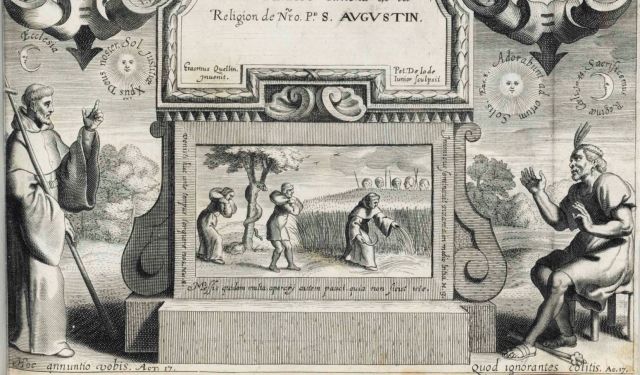
On August 6-9, 2024, Cécile Michaud participated in the "XIV Jornadas de Estudios Coloniales y Modernos" organized by the Universidad Bernardo O'Higgins, Santiago de Chile. The paper titled "En los confines de dos imperios: discursos visuales, textuales y orales en torno a la muerte del agustino Diego Ortiz por los incas de Vilcabamba" is the result of a joint research with Bat-ami Artzi from the Museo Chileno de Arte precolombino.

Talk

Programa de Pós-Graduação em História da Arte, Universidade do Estado do Rio de Janeiro - UERJ

On August 1, 2024, Fernando Loffredo gave the inaugural talk of the academic year for the Art History Program of the State University of Rio de Janeiro - UERJ on "A França Antártrica nos ventos da Fortuna".

Talk

Istituto Italiano di Cultura, Lima

On July 5, 2024, Fernando Loffredo gave a talk on the current project entitled "Imperios, entornos, objetos: un proyecto de investigación colaborativo Max-Planck Partner Group entre Italia y Perú" at the Istituto Italiano di Cultura, Lima, invited by Director Silvia Vallini.

Pisac Seminar

Day 5

On June 23, the group visited the city of Cusco, where students gave their presentations at the Plaza de Armas, in the Museo Histórico Regional (see photo), and in the Museo Arzobispal. After a farewell lunch, the Pisac Seminar was concluded.

Pisac Seminar

Day 4

On June 22, the group visited the colonial churches of Oropesa (see photo), Checacupe, and Tinta, where students gave their presentations. In the evening, at the Centro Paniagua, invited scholars Luciano Migliaccio, Renata Martins, and Verónica Muñoz-Nájar delivered their papers.

Pisac Seminar

Day 3

On June 21, the group visited the colonial churches of Rondocan (see photo) and Kuñotambo, where students gave their presentations, and the local headquarters of the Getty Conservation Institute, directed by Luis Villacorta Santamato. In the evening, at the Centro Paniagua, invited scholars Carmen Fernández Salvador Ayala and Christina Lee delivered their papers.

Pisac Seminar

Day 2

On June 20, the group visited the Regional Restoration Center at Tipón (see photo), and the colonial churches of Andahuaylillas, Canincunca, and Huaro, where students and invited scholar Agustina Rodríguez Romero gave their on-site presentations. In the evening, at the Centro Paniagua, invited scholars Olga Acosta, Alejandro Julián Andrade, and Stefania Pastore delivered their papers.

Pisac Seminar

Day 1

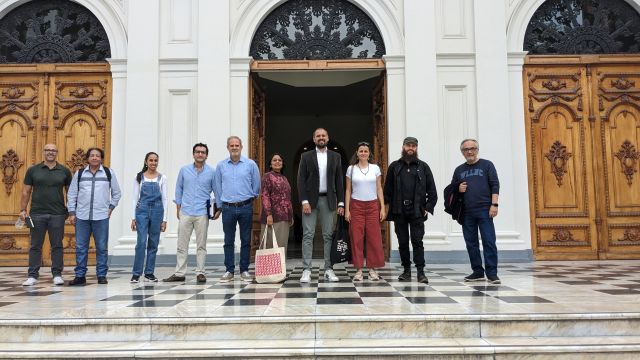
On June 19, the Pisac Seminar officially started. All participants, students and invited scholars, convened at Pisac for the inauguration of the activities. In the photo, at the entrance of the Centro Acádemico Valentín Paniagua, PI Fernando Loffredo with Administrative Assistant Patricia Mendoza together with MA students José Luis Gonzales, Sonia Lau, Víctor Hugo Muñoz, Ángela Quispe, and PhD students Henrry Ibáñez, Juan David Parra, Daniela Ruiz, and Quim Solias.

Meetings in Lima

Museo Larco & PUCP Vice President for Research

On June 18, the group was received by Giannina Bardales, curator in charge of the Museo Larco for pre-Hispanic art (see photo). Subsequently, the members of the group had an on-campus official meeting with Aldo Panfichi, Vice President for Research of the PUCP.

Meetings in Lima

Instituto Riva-Agüero & PROLIMA

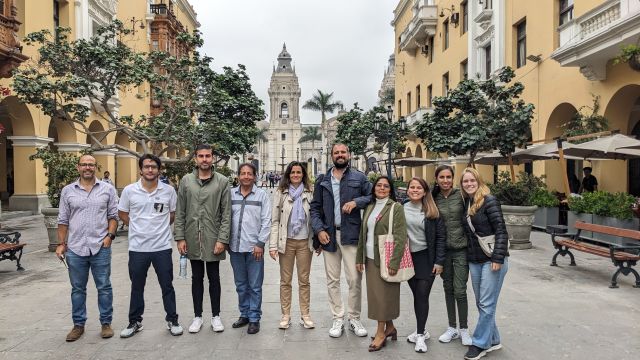
On June 17, the Partner Group visited different Limenean institutions to establish new collaborations. At the Instituto Riva-Agüero, the Institute for Historical Research of the PUCP, Jorge Lossio and Claudio Mendoza Castro went through the exhibition on Peruvian Retablos organized by the Museo de Artes y Culturas Populares Luis Repetto Málaga in collaboration with Casa O'Higgins. Subsequently, Luis Martín Bogdanovich showed the group the headquarters of PROLIMA (see photo) and their general plan for the restoration of the historical center of Lima.

RSA Chicago

Fernando Loffredo participated in the round table "The Environmental Impacts of Early Modern Catholic Missions: A Global Perspective," organized by Isabel Harvey, Alysée Le Druillenec, and Wenjie Su, and in the seminar "Colonial Ecologies of Latin America," organized by Dana Leibsohn and Lisa Voigt, at the Renaissance Society of America Annual Meeting in Chicago (March 21-23, 2024).

Conference

37. Dt. Kongress für Kunstgeschichte, Erlangen-Nürnberg

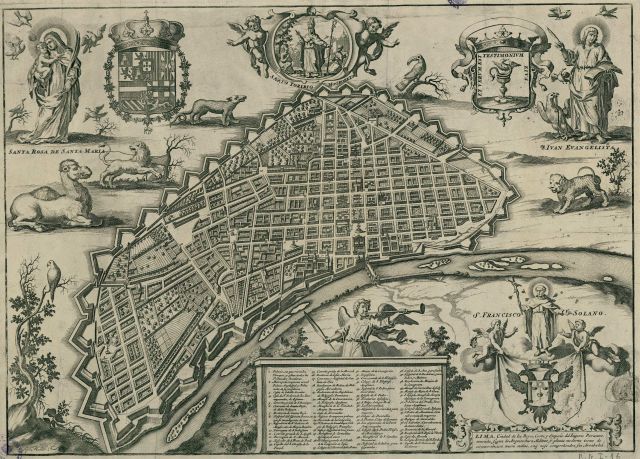
Fernando Loffredo delivered a paper entitled "Mapping the Holy City of Lima" at the 37th German Congress for Art History "Bild und Raum" hosted by the Friedrich-Alexander-Universität (March 13-17, 2024), within the panel “Stadtpläne und Veduten als Objekte und Mittel der kunsthistorischen Forschung,” organized by Amrei Buchholz and Tanja Michalsky.

Lecture

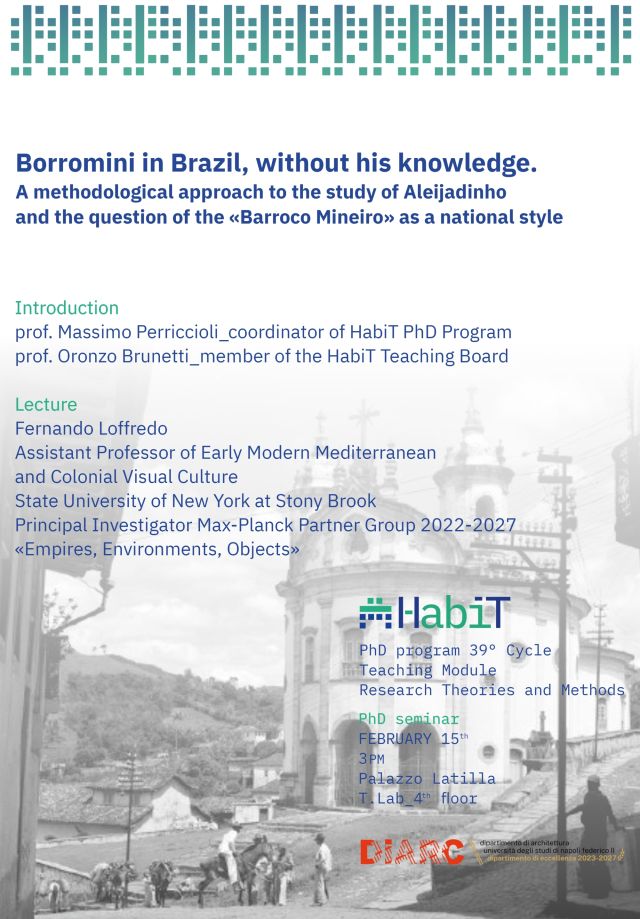
The Habitat in Transition PhD Program, Naples

On February 15, 2024, Fernando Loffredo gave the inaugural lecture for the Habitat in Transition PhD Program at the Department of Architecture, Università degli Studi di Napoli Federico II, on "Borromini in Brazil, without his knowledge. A methodological approach to the study of Aleijadinho and the question of the 'Barroco Mineiro' as a national style".

Annual Meeting

Workshop at the KHI

The workshop at the KHI (January 19, 2024) consisted of two presentations that yielded from the first year of research activities of the Max Planck Partner Group, given by Cécile Michaud ("From Tortured to Martyr in Eternal Glory: Antonio de la Calancha's Moralized Chronicle and Friar Diego Ortiz's Portrait in the Convent of Saint Augustine in Lima") and Andrea Tejada ("Bernardo Bitti in the Viceroyalty of Peru and his Jesuit Collaborators: Pedro de Vargas, Giuseppe Avitabile, and Gonzalo Ruiz Ambrosio").

Conference

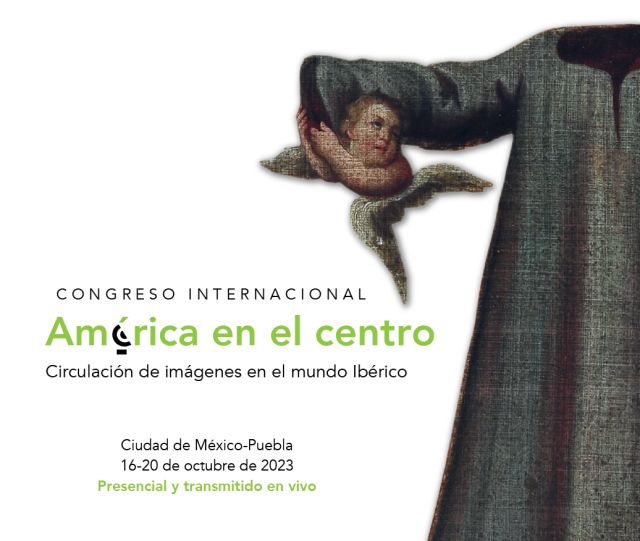
América en el centro, Mexico City/Puebla

Fernando Loffredo participated in the five-day international conference "América en el centro," which took place in Mexico City and Puebla from October 16 to 20, 2023, and was organized by Pablo F. Amador Marrero (Instituto de Investigaciones Estéticas, UNAM) and Paula Mues Orts (Escuela Nacional de Conservación, Restauración y Museografía, INAH), with the support of the Cirima Project.

Collaboration

Barroco-Açu. A América Portuguesa na Geografia Artística do Sul Global Collaboration

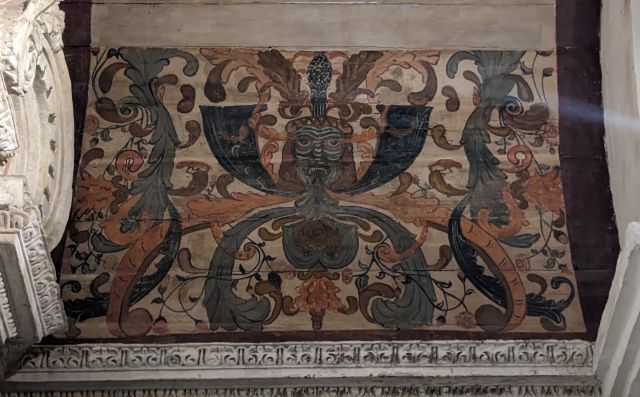
Fernando Loffredo participated in a field trip in the Amazonian region of Belém do Pará and the Island of Marajó organized by Renata Maria de Almeida Martins, Principal Investigator of the Research Project "Barroco-Açu. A América Portuguesa na Geografia Artística do Sul Global" (Projeto JP2 FAPESP, Universidade de São Paulo). Our Max-Planck Partner Group will be collaborating with "Barroco-Açu" in the next five years and the two projects will join forces in several academic initiatives. Here, the 18th-century painted ceiling with a grotesque head from the Jesuit church of São Francisco Xavier, Museu de Arte Sacra do Pará, Belém (July 23, 2023).

Collaboration

PROLIMA Collaboration

Throughout the next five years, our Max-Planck Partner Group is willing to establish a strong academic collaboration with PROLIMA (Municipal Program for the Restoration of the Historic Center of Lima). We are grateful to Luis Martín Bogdanovich, Director of PROLIMA, who gave us a special tour of the sites currently under restoration (July 1, 2023).

MA Seminar

Extracurricular Activities

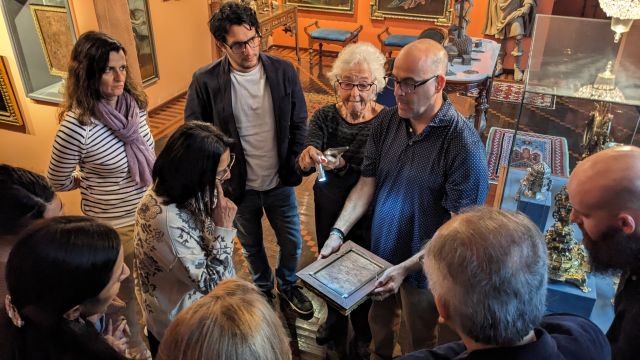
The MA seminar at the PUCP organized by the Max-Planck Partner Group included a series of extracurricular activities, such as visits to private art collections in Lima. Here (June 30, 2023), students visiting the Barbosa-Stern Collection of Colonial art and directly exploring the materiality of several works of art. We kindly thank Aldo Barbosa Stern and Silvia Stern Deutsch.

MA Seminar

Arte y Cultura Visual en Hispanoamérica

This year, Fernando Loffredo taught his first graduate seminar entitled "Arte y Cultura Visual and Hispanoamérica" for the MA in Art History and Curatorial Studies at the PUCP, Lima. This is the teaching component of the Max-Planck Partner Group in partnership with the PUCP. Here, together with Cécile Michaud and the MA students visiting the Museo de Arte de Lima (June 10, 2023).

Conference

RSA San Juan, Puerto Rico

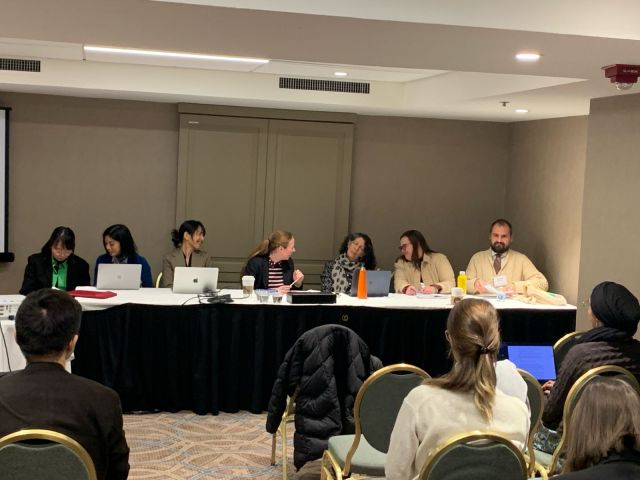
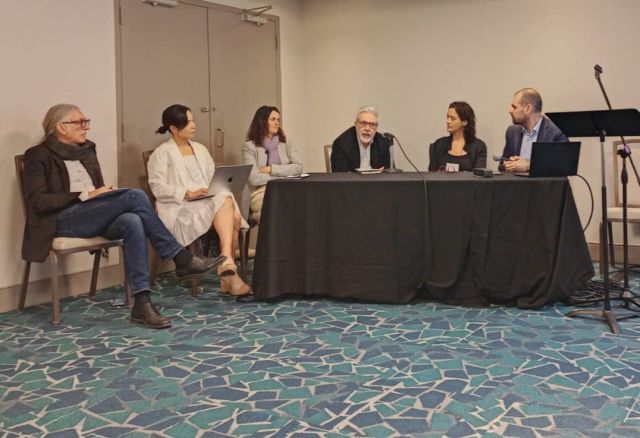
The Max Planck Partner Group organized its first round table to discuss the themes of the research project at the Renaissance Society of America Annual Meeting in San Juan, Puerto Rico (March 9-11, 2023). Besides the PI Fernando Loffredo, organizer of the event, were present the coordinators Cécile Michaud (Pontificia Universidad Católica del Perú) and Gerhard Wolf (KHI) together with invited discussants Olga Acosta (Universidad de los Andes, Colombia), Christina H. Lee (Princeton University, USA), Renata De Almeida Martins (Universidade de São Paulo, Brazil), Felipe Pereda (Harvard University, USA), and Agustina Rodríguez Romero (CONICET/Universidad Tres de Febrero/Universidad de Buenos Aires, Argentina).
Newsletter

La nostra newsletter vi informa gratuitamente su eventi, annunci, mostre e nuove pubblicazioni del Kunsthistorisches Institut in Florenz.

Potrete riceverla gratuitamente, inserendo i vostri dati nei campi:

*Campo obbligatorio

Trattamento dei dati personali

La newsletter viene inviata tramite MailChimp, che memorizza il vostro indirizzo e-mail e il vostro nome per l'invio della newsletter.

Dopo aver compilato il modulo riceverete una cosiddetta e-mail "double opt-in" in cui verrà chiesto di confermare la registrazione. È possibile annullare l’abbonamento alla newsletter in qualsiasi momento (cosiddetto opt-out). In ogni newsletter o nell’e-mail double opt-in troverete un link per la cancellazione.

Informazioni dettagliate sulla procedura di invio e sulle possibilità di revoca sono contenute nella nostra privacy policy.