

Object, Image, Site.
Mediterranean / Transcultural Art Histories

Department Gerhard Wolf
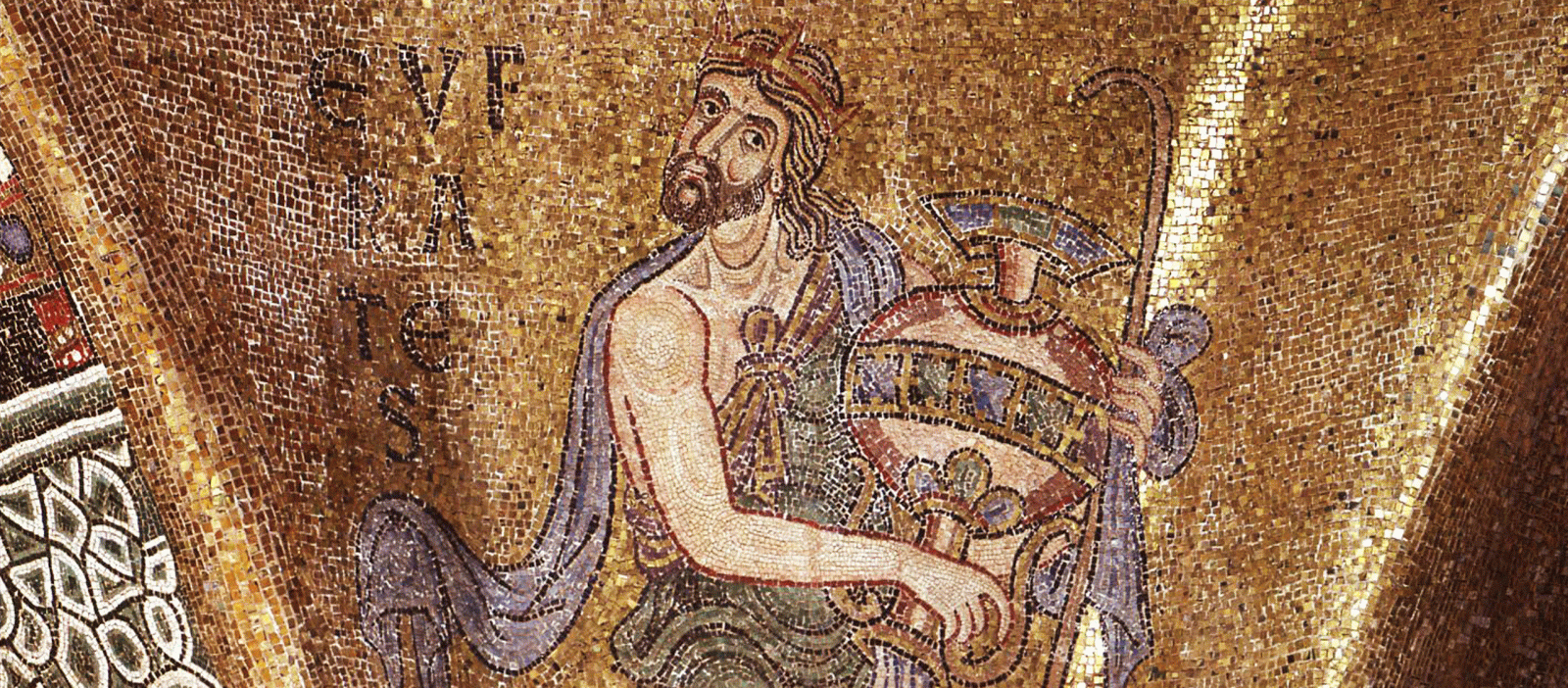
The three terms of Object, Image, Site could be easily expanded by other triads such as Matter, Media, Space or Environment, Ecologies, Heritage. The central point is that none of these terms should be taken as given or stable categories, but as notions to be questioned, rethought and discussed with respect to their mutual relationship and within the scope of methodological concerns of art history in dialogue with other disciplines. This includes ways of conceptualizing empirical research, for example in debates during field work, an important art historical practice. The department’s projects continue to investigate ways in which objects and images partake in the formation and transformation of environments, and vice versa. However, the projects have become more focused and/or radical in the questions they pose and more challenging in the collaborations they require or allow.   

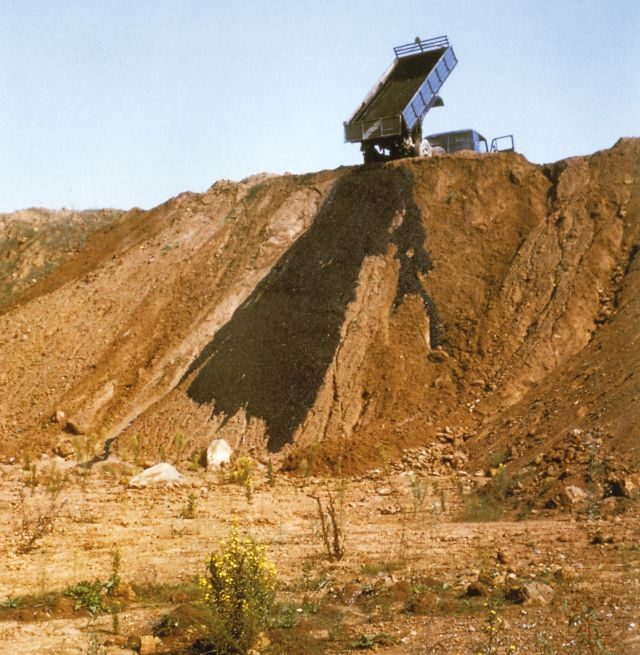
The environments studied are shaped partly or fully by humans and technology (including museums and digital worlds), involving specific temporalities and interrelated spatial dimensions. They embrace landscapes, territories, urban spaces and others. The major fields of inquiry are migratory and transcultural dynamics of various scales and geopolitical power relations as well as locative practices, encompassing 
the connectivity and multiplicity of social, religious, artistic, and political sites, to be mapped according to various criteria (from geology and historical stratifications to sacred topographies). Objects and images, in turn, are viewed in terms of their (trans)materiality, (trans)mediality and mobility, which are not mutually exclusive, one needs only to consider image objects and iconisation processes.

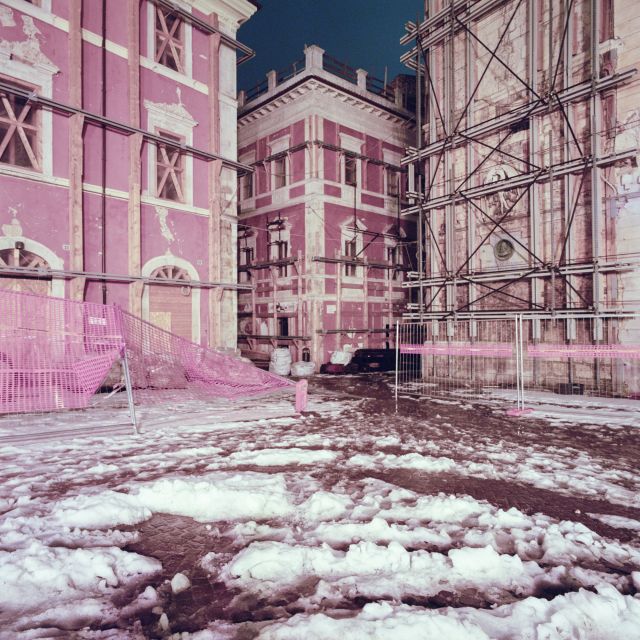
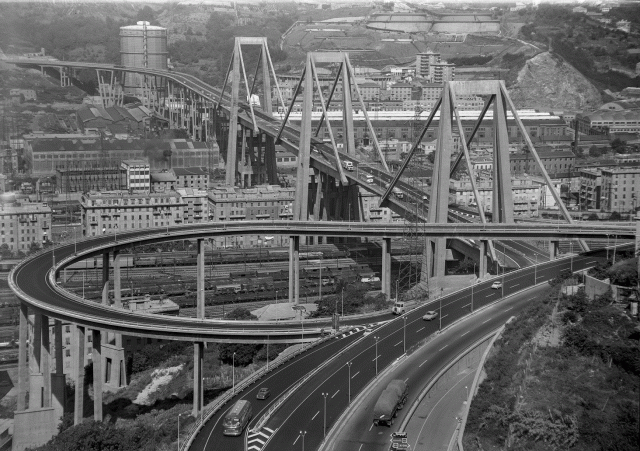
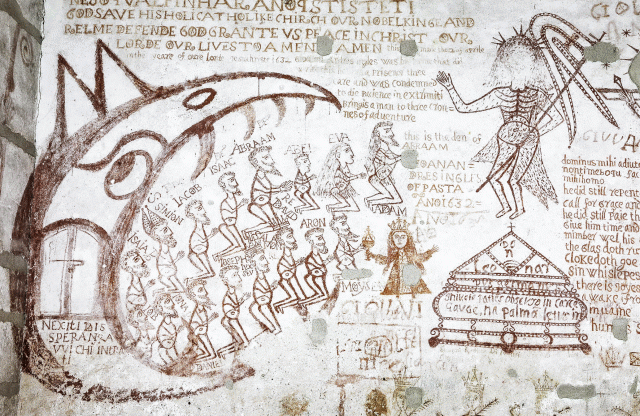
Under such premises the department’s projects move between two poles. On the one hand, image practices as in Aby Warburg, Florence and the Laboratory of Images or the preceding project Mobile Memories, and on the other, the interrelations between heritage and environment, which have become a major concern of the department’s projects, brought together in the overarching project AC(H)E and the Caucasus project. However, both poles involve constellations of Objects, Images and Sites: The Warburg exhibition in the Uffizi has created an ephemeral locus, confronting photographs, paintings, statues, and art objects with the tension of site / images already present in the title. AC(H)E in turn is concerned with the fragility of architectures, landscapes (and bodies) with a focus on catastrophes and post-catastrophic care, while the site of the Gelati monastery in the Caucasus, with its damaged and endangered wall paintings, mosaic, roof, and walls themselves, invites collaborative practices of and debates on conservation (and the role of art history in it).

There are more aspects to be considered, among them the overarching concept of an ecology of Objects, Images and Sites on the conceptual side or the formation and balance of partially overlapping teams, between individual projects and the general concerns of projects, as well as critical engagement with digital humanities.
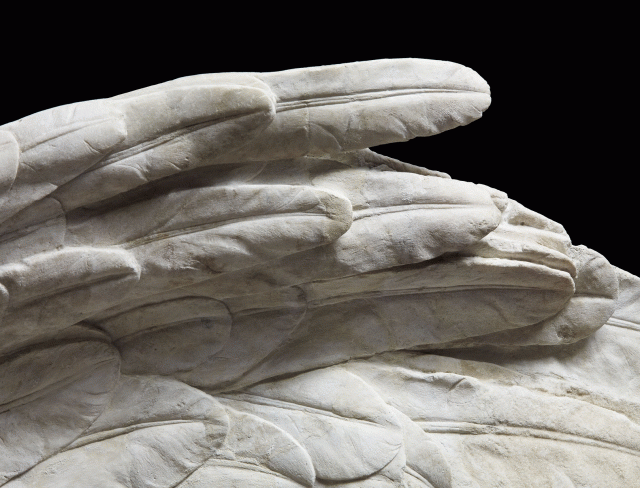
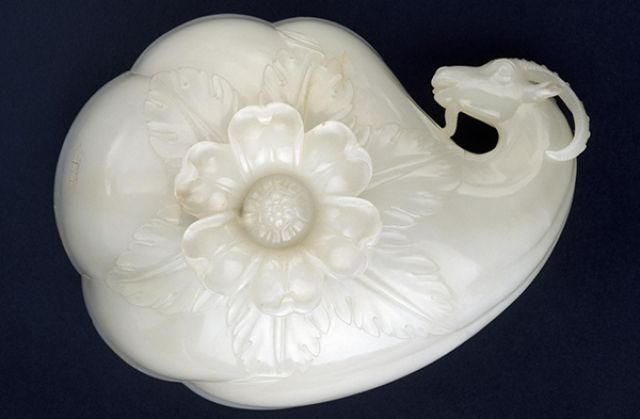
Additionally, the Vessels beyond Containment project, a conceptual and historical sandbox, places objects and objecthood at the center and wonders what art history is (or is not) about and with whom to talk. Artists first and foremost come to mind: indeed, the intensified collaboration with artists has been a great source of inspiration and creative exchange.


Newsletter

Our Newsletter provides you with free information on events, tenders, exhibitions and recent publications from the Kunsthistorisches Institut in Florenz.

If you would like to receive our newsletter, please enter your name and e-mail address:

*required field

Notes on the content of the newsletter and transit procedures

This letter is sent via MailChimp, where your e-mail address and name will be saved for sending the newsletter.

Once you have completed the form, you will receive a "Double-Opt-In-E-Mail," in which you are asked to confirm your registration. You can cancel your subscription to the Newsletter at any time ("Opt-out"). You will find an unsubscribe link in every Newsletter and in the Double-Opt-in-E-Mail.

You will receive detailed information about transit procedures and your withdrawal options in our privacy policy.